Futures Covenant · Pillar I
Tolerance and Diplomatic Capacity
The cohesion, trust and practical capacity required to sustain cooperation across political, cultural and economic differences.
Why It Matters

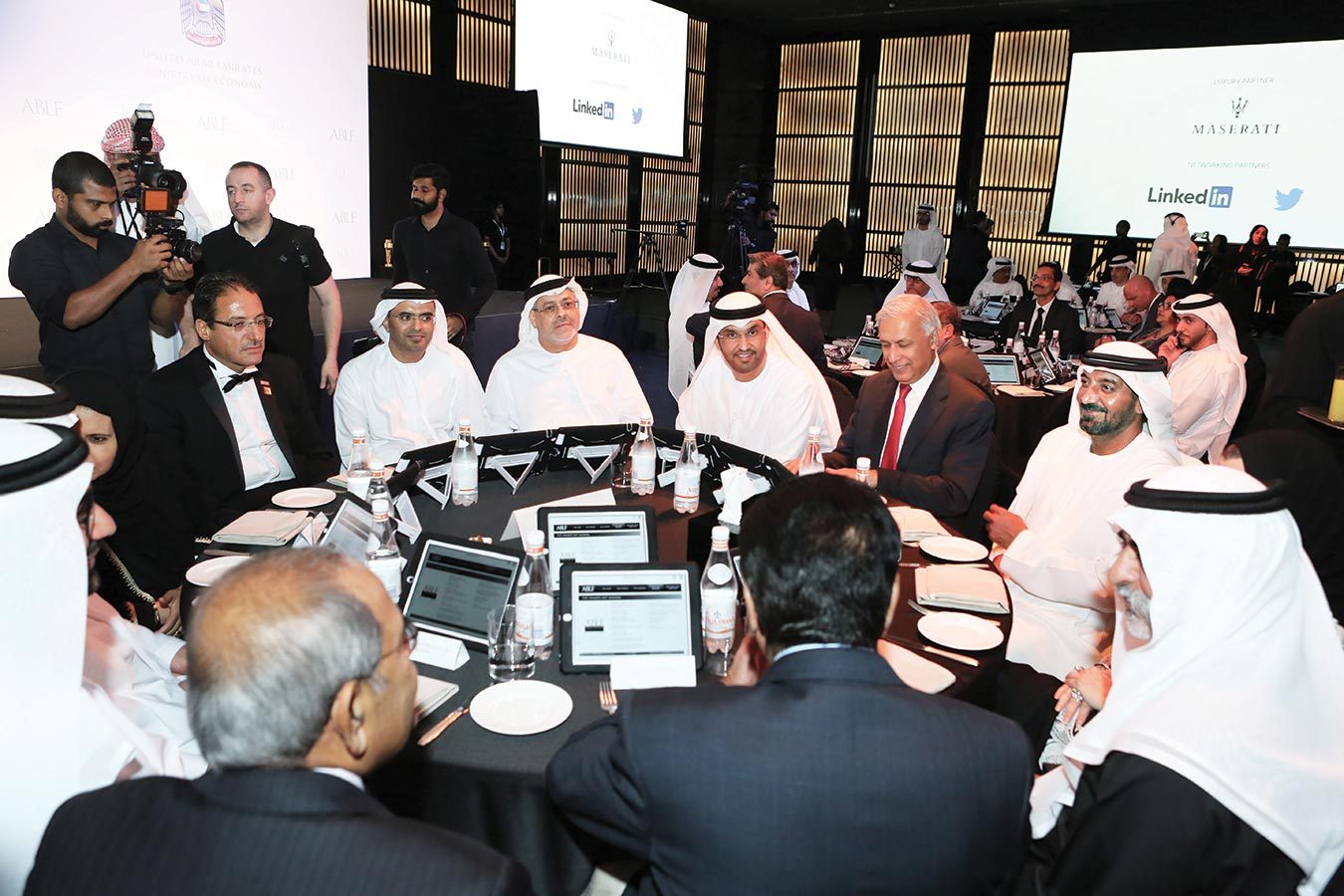
Asia’s political, economic and cultural diversity makes disagreement inevitable. The challenge is to preserve the relationships and practical capacity on which cooperation depends.
The ABLF’s work on borderless connectivity, collaboration, transparency and multilateralism has demonstrated that trust is built before pressure arrives. Tolerance and diplomatic capacity form part of the infrastructure of regional stability.
What Futures Covenant Examines
Futures Covenant examines how nations strengthen cohesion within their societies and sustain constructive engagement across borders. The work considers tolerance as an operating principle, the preservation of dialogue under pressure, multilateral cooperation and the practices through which disagreement can be managed responsibly.
Current Questions
- How can public institutions strengthen cohesion across social, cultural and generational differences?
- Which practices preserve constructive dialogue during periods of political or economic pressure?
- How can regional cooperation remain credible when national interests diverge?
Related subjects